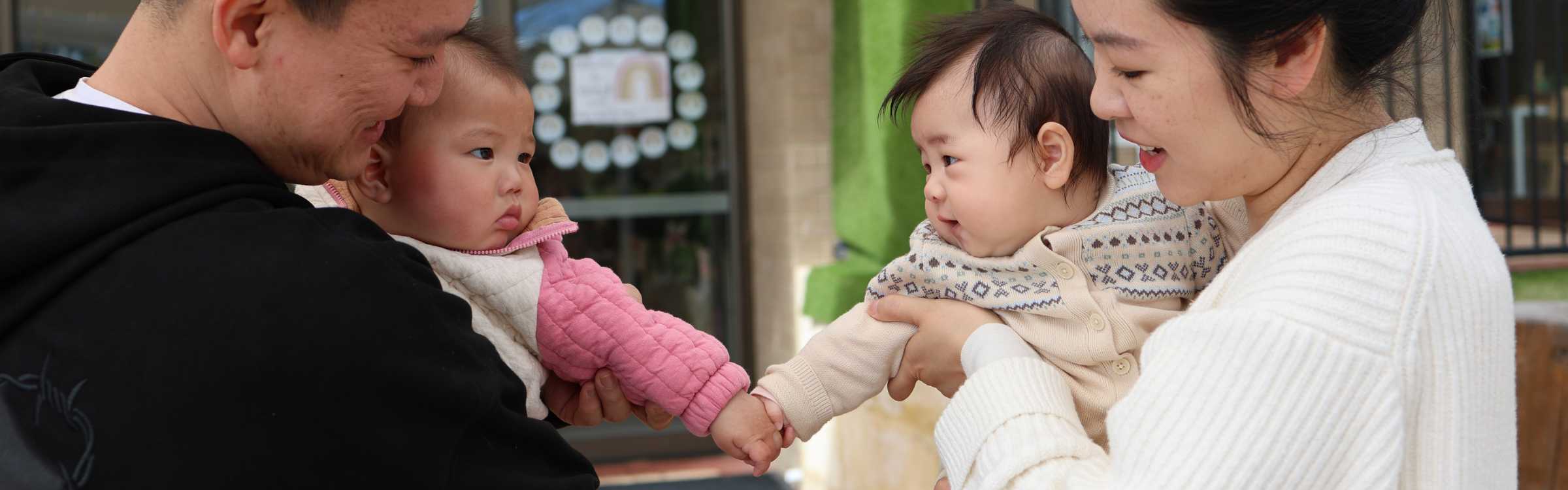
Hosting Play Days at MLC on our campus offers a variety of specific benefits for young children, particularly in terms of transitioning into formal education and supporting their overall development.
1. Smooth Transition to School Environment:
- Familiarisation with School Routines: Playgroups within a school introduce young children to the daily routines, structure and expectations of a formal educational environment. They get accustomed to things like circle time, group activities, snack breaks and listening to a teacher, which helps ease their transition to Pre-Kindergarten or Kindergarten.
- Acclimation to Larger Groups: Being part of a playgroup in a school setting allows children to interact with a wider range of peers, helping them get used to the social dynamics of a larger group, which will be important when they enter school.
2. Socialisation with Older Children:
- Peer Role Models: When a playgroup is integrated into a school, younger children may have opportunities to interact with older children, who can serve as positive role models. Older children can help demonstrate appropriate behaviour, social skills and even assist with basic tasks, fostering a sense of community and mentorship.
- Cross-Age Learning: Older children in the school might participate in joint activities with younger playgroup children, allowing for both social and educational exchanges. This dynamic can enhance social skills, empathy and leadership qualities in older children while benefiting younger children’s learning.
3. Exposure to Educational Tools and Resources:
- Access to School Facilities: Playgroups within schools often have access to the school’s resources — such as classrooms, outdoor spaces, libraries, or learning materials — that would not be available in a home-based playgroup. This exposure can spark curiosity and help young children explore a variety of subjects (art, science, music) in a stimulating and enriching environment.
- Structured Learning Opportunities: While playgroups are typically centred around free play, the school environment may provide additional structured learning opportunities such as language-rich activities, math games, or educational technology that can support cognitive development.
4. Early Literacy and Numeracy:
- School-Based Early Learning Programs: Some schools integrate playgroup settings with early literacy and numeracy activities. For example, through storytelling, alphabet games or simple math activities, children can begin to develop basic reading and number skills in a playful, non-pressured way.
- Language Development: Being part of a school setting often means more opportunities to engage with diverse language inputs, whether through interactions with teachers, older children or a variety of educational materials like books, songs and rhymes.
5. Emotional and Behavioural Support:
- Teacher Guidance: In a school playgroup, trained educators or facilitators are present to guide children’s interactions, helping them navigate their emotions and social challenges. For example, if a child becomes upset or frustrated, a teacher can model coping strategies and offer support in a way that helps children manage their feelings and behaviour.
- Building Emotional Resilience: By being in a structured school setting, children learn to handle situations such as waiting their turn, adjusting to group activities and dealing with minor disappointments, all of which help build emotional resilience and self-regulation skills.
6. Physical Development and Motor Skills:
- Access to School Playgrounds and Equipment: School playgroups often have access to larger outdoor spaces and playgrounds, which are designed to encourage physical development. Activities like climbing, running, jumping and playing games on equipment help young children build both fine and gross motor skills in a safe and encouraging environment.
- Structured Physical Education Activities: Some schools offer playgroup children the chance to participate in basic physical education activities or games, promoting active play that supports physical health, coordination and motor control.
7. Parental Involvement and Support:
- Connection with School Community: Parents of children in playgroups within schools often become more involved in the school community. They might attend parent-teacher meetings, school events or volunteer, which helps build a strong support network and strengthens their connection to their child’s educational journey.
- Early Communication with Teachers: Playgroups within schools allow parents to establish relationships with educators early on, fostering better communication and collaboration regarding their child’s development, needs and interests as they move toward formal schooling.
8. School Readiness:
- Preparing for Structured Learning: As children in playgroups become more accustomed to the school environment, they are better prepared for the expectations and routines of Kindergarten or Primary School. They understand the importance of following instructions, working as part of a group, and engaging in activities that promote cognitive and social growth.
- Early Exposure to School-Preparedness Skills: Activities like listening to a teacher’s instructions, practicing self-care (like washing hands or tidying up) and participating in group tasks teach young children the skills they will need to thrive in formal educational settings.
By integrating a playgroup within a wider school environment, you provide your child with a holistic experience that promotes social, cognitive, emotional and physical development while setting a strong foundation for future learning. The transition to formal schooling becomes smoother, and children gain confidence and a sense of belonging in their broader school community.