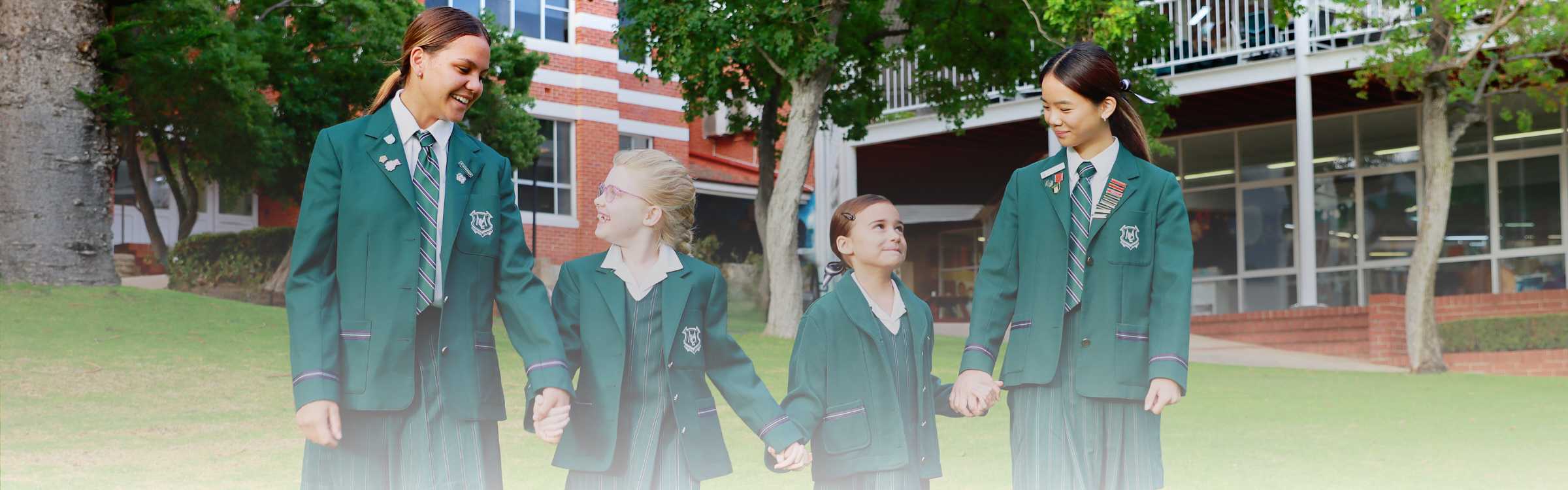
Student Wellbeing at MLC

Wellbeing at MLC


At MLC, we know that to do well, you need to be well. That is why wellbeing is not just something we teach — it is a principle that underpins every aspect of school life. Grounded in the Grow Wellbeing and Belonging pillar of our Shaping Futures: 2030 Strategic Plan, and embedded in both our Learning and Wellbeing Frameworks, wellbeing sits at the heart of the holistic MLC experience.


We’ve placed THRIVE at the centre of our student wellbeing approach, recognising that when students feel connected, purposeful and supported, they are more likely to flourish — both in and beyond the classroom. The development of Agency is also a key focus: helping girls take ownership of their decisions, learning and growth, allowing them to become active participants in school life and beyond.

Our Wellbeing Framework

Our Framework takes a proactive, whole-school approach, reflecting a deep commitment to nurturing the entire student. Embracing an “outside-in” philosophy, we recognise that wellbeing is cultivated through both internal strength and supportive environments: 

Anchored in Values: Our College Values — Integrity, Wonder, Courage and Humanity – underpin everything we do, guiding the personal and collective growth of our community. 

Empowering Skills for Life: We develop skills that build agency in learning, personal development and active citizenship. These skills (also known as competencies) prepare students to thrive now and into the future. 

Relational Wellbeing: We focus on four key relationship pillars — with Self, Others, School and Technology — that are vital to emotional and mental wellbeing. 

Thriving as a Goal: At the centre of our framework is THRIVE — the continual journey of growth, development and finding purpose in life. 

A Holistic Approach: By weaving these elements together, we cultivate students who are not only academically prepared, but personally resilient, socially aware and future ready. 


Wellbeing at MLC — An Overview

Our Wellbeing Program combines daily mentoring, skill-building and specialist support to help girls feel safe, connected and ready to learn.

• Year levels: Pre‑Primary to Year 12 (and Boarding)
• Daily support: Mentor‑Mentee Time (MMT) check-ins every morning
• Specialist care: School Psychologists and Nurses
• Key focus areas: Belonging, resilience, respectful relationships and digital wellbeing
• Wellbeing lead roles: Deputy Principals, Heads of School, Heads of Year, Mentors, Psychologists and Nurses

Our Wellbeing Program

Spanning from Pre-Primary to Year 12, our Wellbeing Program is a developmentally aligned pathway that nurtures every student’s capacity for resilience, self-management and a strong sense of belonging. Through meaningful relationships, we create a safe and inclusive culture where every student is known, heard and empowered to flourish. 

Our Program is built around four essential relationships: 

Relationship with Self: Wellbeing starts with self-awareness. Students learn to integrate all aspects of their lives and take ownership of their growth. 

Relationship with Others: We foster empathy, respect and kindness—helping students build strong, supportive relationships. 

Relationship with School: Belonging drives engagement. We create spaces where students feel valued and empowered to contribute. 

Relationship with Technology: Students gain the skills to use technology safely and positively, supporting their overall wellbeing. 

Wellbeing in the Junior Years (Pre-Primary to Year 6)

Daily Mentoring and Check-Ins

Wellbeing in the Junior Years is nurtured through a developmentally informed program that fosters each girl’s sense of belonging. Each day begins with Mentor-Mentee Time (MMT)—a calm, consistent routine that supports emotional regulation and classroom connection.

Students from Pre-Primary to Year 6 take part in House meetings, building cross-year friendships and a strong sense of community. Our on-site Junior Years Psychologist provides individual support and responsive, in-class programs tailored to students’ social and emotional needs.

College Values are embedded in daily life and our Big Sister Program links Junior and Senior students, supporting each girl’s growth in confidence and character.

Topics and Programs Covered
  • Resilience and emotional regulation
  • Respectful relationships and kindness
  • Personal safety
  • Belonging and inclusion

Sessions are tailored to each year level and delivered in response to developmental needs.

Who Supports Students?

Our on-site Junior Years Psychologist provides individual support and responsive, in-class programs. Junior Years Mentors, the Head of Junior School and classroom teachers all play an active role.

How Families Can Connect

If you have a concern, contact your daughter’s classroom teacher or the Head of Junior School — the team will work with you from there.

Want to see wellbeing in action in the Junior Years? Book a tour.

Wellbeing in the Senior Years (Years 7–12)

Daily Mentoring and Check-Ins

In the Senior Years, wellbeing is woven into every day. Each morning begins with MMT check-ins, where each girl is supported by a trusted Mentor who knows her well. Workshops across the year cover practical skills such as managing assessment load, respectful relationships, help-seeking and digital wellbeing — supported by Mentor-Mentee check-ins and specialist staff when needed.

Topics and Programs Covered
  • Topics and Programs Covered
  • Managing exam stress and assessment pressure
  • Friendships, conflict and respectful relationships
  • Consent, personal safety and digital safety
  • Mindfulness and self-care strategies
  • Leadership and peer mentoring (Years 10–12)

From Years 7 to 9, students engage in the Big Sister Program, while. Year 10 students take on leadership roles in the Peer Support Program, mentoring younger peers and strengthening their own sense of connection and purpose.

Who Supports Students?

Each girl has a dedicated Mentor who knows her personally. Across the Senior Years, Heads of Year, School Psychologists and Nurses work as a connected team. Guest speakers and expert-led sessions address real-world topics — building confidence, clarity and a strong foundation for life beyond school.

How Families Can Connect

Families can contact their daughter’s Mentor or Head of Year at any time. If a concern requires further support, the team will outline next steps and keep families involved throughout.

Discover how we support girls to thrive in their Senior Years. Book a tour.

Why Families Trust MLC’s Wellbeing Approach

• Wellbeing is a named strategic pillar —the Grow Wellbeing and Belonging pillar — of the Shaping Futures: 2030 Strategic Plan.
• A dedicated, multi-role wellbeing team: Mentors, Heads of School, Heads of Year, School Psychologists and Nurses.
•
Developmentally aligned programming from Pre‑Primary to Year 12.
•
Daily check-ins through Mentor-Mentee Time (MMT) in the Senior Years and dedicated classroom teachers in the Junior Years.
•
Peer-led programs including the Big Sister Program and Peer Support Program.

“At MLC (Claremont, Perth), student wellbeing is supported through daily mentoring, structured wellbeing learning, and access to psychologists and nurses from Pre‑Primary to Year 12.”

Our approach aligns with contemporary research on student mental health, belonging and safe online behaviour. Families may also find guidance from trusted organisations such as Beyond Blue and ReachOut Australia helpful when supporting their teenager’s wellbeing at home.

Wellbeing content reviewed by: MLC Wellbeing Team (Heads of School, Psychologists and Nurses) — January 2026.

Wellbeing FAQs

What does wellbeing mean at MLC?

At MLC, wellbeing is a core part of school life, not an add-on. It’s embedded in everything we do, from our learning frameworks to our relationships and school culture. Our goal is for every student to feel connected, supported and empowered to thrive both personally and academically, from their first day in Early Learning through to Year 12.

How is the wellbeing program structured across different year levels?

Our Wellbeing Program spans Pre-Primary to Year 12 and is developmentally tailored to meet the needs of students at every stage. In the Junior Years our focus is on emotional regulation, belonging and confidence through daily MMT routines and class-based support. In the Senior Years, wellbeing is integrated through workshops, the Big Sister and Peer Support Programs, and daily check-ins.

Who can my daughter go to if she needs HELP?

Usually, her Mentor or Head of Year in the Senior Years and her Classroom Teach in the Junior Years — her most consistent, trusted points of contact. If needed, they can connect her with a School Psychologist or Nurse. No one is left to find their own way.

What support is available if a student feels anxious or overwhelmed?

Students can speak with their Mentor or Head of Year at any time. Practical support and strategies are arranged at school level first, with referral to a School Psychologist when appropriate. Families are kept informed and involved throughout.

How is wellbeing supported during the transition to Year 7?

The transition to Senior School is a significant moment, and we plan for it carefully. Year 7 students are supported through the Big Sister Program, dedicated orientation activities and regular MMT check-ins. Heads of Year and Mentors are specifically briefed to watch for and respond to early transition concerns.

How does MLC handle bullying and friendship issues?

At MLC, we take every report of bullying seriously and respond to each by applying our relevant policies and practices. Students are encouraged to speak with their Mentor, Head of Year or any trusted staff member. Our Psychologists and Heads of Year work with all students involved to resolve conflict respectfully, restore wellbeing and prevent recurrence. Families are contacted when concerns are escalating or ongoing.

How is wellbeing supported in the Boarding House?

MLC’s Boarding Wellbeing Program runs alongside the Day School curriculum. Boarders have structured daily routines, evening check-ins and access to the MLC Health Centre and counselling services. New Year 7 boarders are paired with older students through the Boarding Sisters Peer Support Program. Recreation and personal development activities are also a key part of Boarding life. Learn more about Boarding at MLC.

Can parents and families contact the wellbeing team directly?

Yes. Contact your daughter’s Mentor or Head of Year in the Senior Years or Classroom Teacher in the Junior Years as a first step — they’ll connect you with the right person. The team includes Psychologists, Nurses, Heads of School and Heads of Year, all working in close collaboration.

Does MLC offer counselling support?

Yes. Students can access support through Mentors and our broader wellbeing network, including School Psychologists, depending on their needs. Families are kept informed and involved throughout.

How does MLC support student wellbeing day to day?

MLC supports student wellbeing through a clear pastoral care structure and a structured wellbeing program. In practice, a student’s mentor teacher is the first point of contact, and with their mentor teacher, students begin each day in a house-based mentor group to check in, get organised and build relationships. Each year group has a Head of Year who oversees wellbeing, learning progress and family communication. Any concerns are escalated to the pastoral care team as needed.

Who can students speak to if they need help at school?

Students can access help at school through MLC’s pastoral care and wellbeing support pathways. A student will typically start with her mentor teacher, then escalate (if needed) to the Head of Year and the wellbeing team. Students can also seek support from the Health Centre as required.

Does MLC provide counselling or psychological support for students?

MLC provides wellbeing support for students, including access to psychologists as part of a dedicated wellbeing team. Support is accessed through referral pathways, which may include student self-referral, parent referral or staff referral. MLC’s approach is designed to connect students to the appropriate support within its wellbeing and pastoral care structures.

Who does my daughter go to first if she needs help?

Your daughter should go to her mentor teacher first, as this is the most consistent daily point of contact in MLC’s pastoral care structure. If additional support is required, the next step may involve the Head of Year and the wellbeing team. Students can also access the Health Centre when required, where staff can check in and connect them to the appropriate support.

How does MLC help students manage friendships or conflict?

MLC helps students manage friendships through taught wellbeing learning and day-to-day pastoral care support. Students learn relationship skills such as conflict resolution and healthy relationships, and staff support students when issues occur, including restorative conversations where appropriate.

What is the difference between “wellbeing” and “pastoral care” at MLC?

At MLC, wellbeing and pastoral care work together, but they refer to different parts of student support. Wellbeing is the taught, structured wellbeing program (a curriculum that builds skills for relationships, resilience and thriving). Pastoral care is the day-to-day support structure, people and pathways that care for students, guide them, and connect families with the right support when needed. Together, they help students feel known, supported and able to grow with confidence across their learning journey.

What is the House System at MLC?

The House System at MLC is a whole-school structure that builds belonging and connection across year levels. Every student is allocated to a house and stays in that house throughout her MLC journey. Houses create a smaller community within the school and support daily mentoring, build friendships, instils school spirit and participation in house activities.

How does the House System support student wellbeing at MLC?

The House System supports wellbeing by giving students a consistent community where they feel known and connected. Houses provide a vertical mentoring community (Years 7–12), and daily house-based mentor groups create regular check-ins, relationships and support across year levels.

How does MLC support girls to be safe online?

MLC supports students to navigate online life within its broader wellbeing approach and clear pastoral care structure. MLC also sets expectations around devices during the school day to support wellbeing and social connection, and families can request the most current policy information.

How does Pastoral care structure look like?

“Pastoral care includes daily connection points and clear pathways for support, so students know who to speak to when they need help.

Pastoral care structure includes:

  • Mentor teacher as a first point of contact
  • Daily house-based mentor group check-in
  • Head of Year overseeing wellbeing, learning progress and family communication”

Can students access a psychologist? How does that work?

Yes. Students can access psychologist support at MLC through the College’s wellbeing and pastoral care pathways. Students can start by speaking with their mentor teacher (a key daily contact), and support can be coordinated with the Head of Year and the wellbeing team as needed. Referrals may be initiated by a student, parent or staff member, and the school will guide families on the most appropriate next step.

What pastoral care is provided for boarders?

The pastoral care and wellbeing of our Boarders is managed collaboratively between Mentor teachers and our Boarding Leadership team. Each student is known, cared for and connected with her cohort both on campus and in Boarding with access to the same support structures as day students. For the most up-to-date boarding routines and procedures (including leave and holiday arrangements), families should refer to the Boarding Handbook or contact the boarding team.

Wellbeing at MLC: A Foundation for Life


Wellbeing is not just something we support it is something we live every day at MLC. From the classroom to the Boarding House, the sports field to the stage, we are committed to helping every girl feel seen, supported and inspired to grow.

Join us on campus and find out first-hand why MLC is one of the leading all-girls’ educators in Western Australia.